
Hard water is more than just an inconvenience—it can drive up costs, reduce efficiency, and take a toll on plumbing and equipment. For businesses, the effects are even greater: scale buildup in boilers, dishwashers, and pipes can shorten equipment lifespan and increase maintenance needs, while in homes, hard water often shows up as soap scum, spotted glassware, and stiff laundry. Soft water, on the other hand, protects your systems, lowers expenses, and provides a better overall experience for both customers and families.
In this blog, we’ll explain exactly how a water softener works, breaking down the steps involved in the softening process, how salt plays a role, and what happens during the regeneration cycle. By the end, you’ll understand not just why soft water is essential but also the science behind how water softeners consistently deliver it.
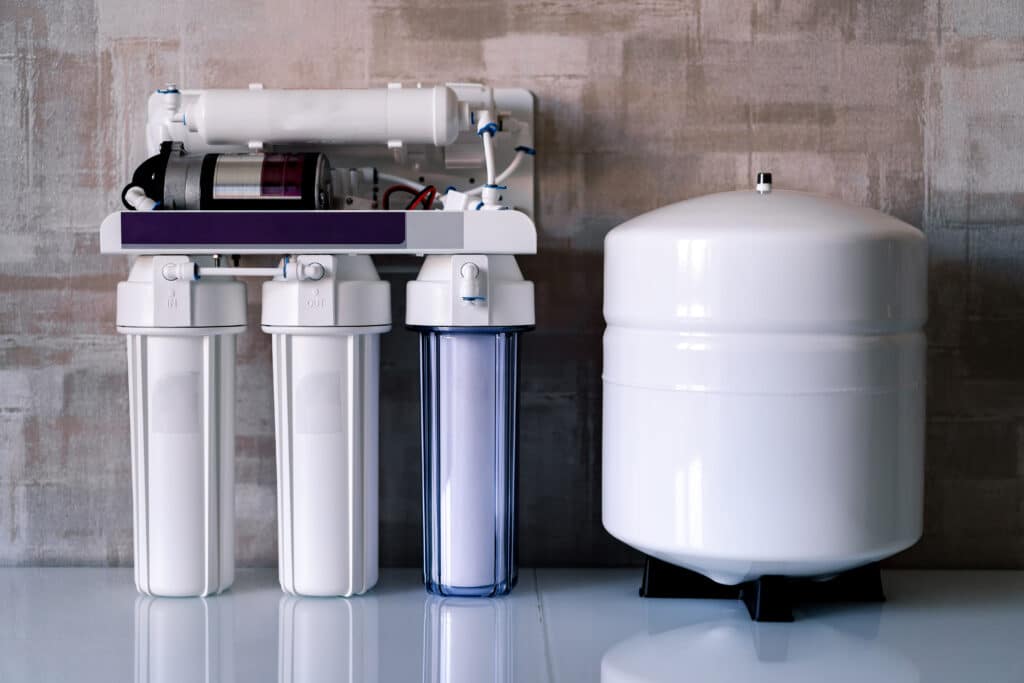
Water Softener Basics: The Brine Tank & The Media Tank
Every water softener, whether residential or commercial, is made up of 2 essential components:
- The Brine Tank: This tank stores the salt solution called brine. The brine is used to clean and recharge the resin beads during regeneration.
- The Media (or Resin) Tank: This larger tank is filled with resin beads that perform the actual “softening” through ion exchange.
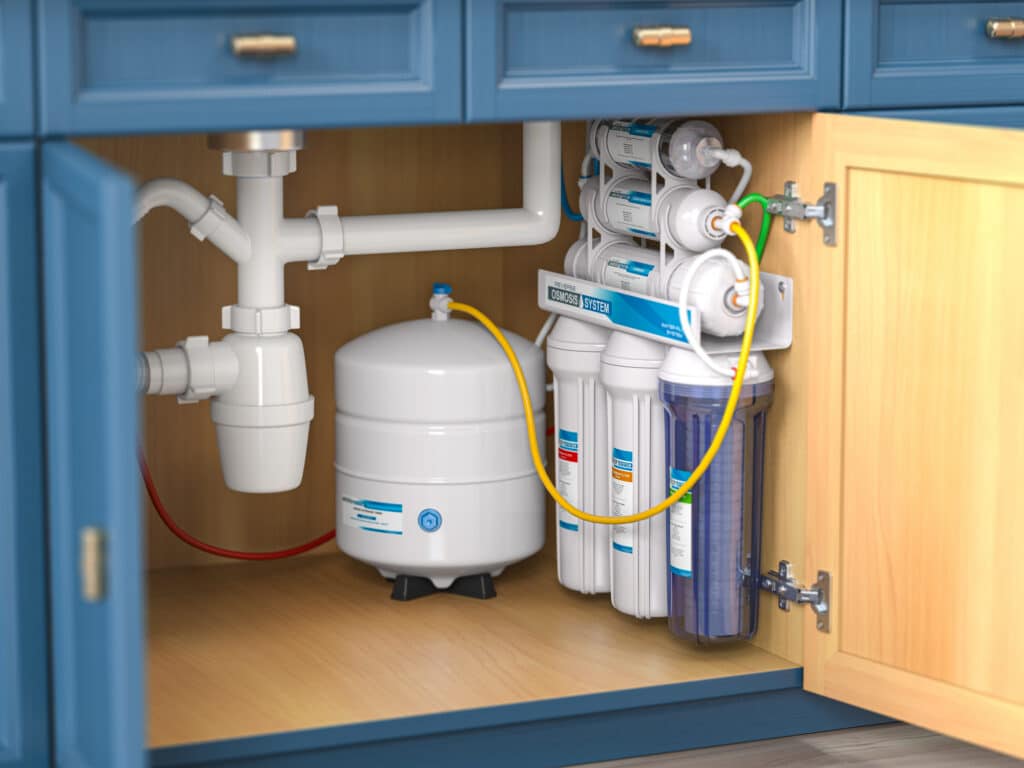
Residential water softeners are typically small enough to fit in a garage, basement, or utility closet. On the other hand, commercial water softeners can be much larger and may include multiple resin tanks working together to handle high water volumes.
How Does a Water Softener Work? 2 Steps the System Goes Through to Soften Your Water
Here’s precisely what happens when a water softener softens your water:
1. Remove Hardness from Water with Resin Beads
Hard water enters the resin tank and passes through thousands of small resin beads. Each bead is negatively charged and coated with sodium or potassium ions. Since calcium and magnesium ions (the minerals responsible for hardness) carry a stronger positive charge, they cling to the resin beads and displace the sodium or potassium.
This process, called ion exchange, strips the water of hardness minerals. When it leaves the tank, the water is soft and ready to use.
2. Regeneration
Over time, the resin beads get “full” of hardness minerals and can’t remove additional hard minerals. This is where regeneration comes in. The system flushes the resin with the saltwater solution from the brine tank. The brine’s sodium (or potassium) displaces the calcium and magnesium on the beads, washing those minerals away and recharging the resin for continued use.
What is regeneration in a water softener? As mentioned above, regeneration is the process that restores the resin beads so they can continue removing hardness minerals. The typical regeneration process has 5 main stages. While commercial systems often run more frequently and with larger tanks, the steps remain the same:
- Backwash: Water flows upward through the resin tank, flushing out dirt, debris, and any accumulated particles.
- Brine Draw: The system pulls brine from the brine tank and circulates it through the resin beads. The sodium/potassium pushes calcium and magnesium off the resin and into the drain.
- Second Backwash: Another rinse helps remove loosened hardness minerals and excess brine.
- Rinse: Fresh water flows through the resin bed to ensure no salty taste remains in the water supply.
- Fill: The brine tank is refilled with fresh water to dissolve salt for the next regeneration cycle.
These five steps repeat as needed, depending on water usage and hardness levels. In residential systems, regeneration might occur once a week. In commercial facilities, regeneration can occur daily or multiple times a day in high-demand operations like hotels or laundromats.
What Does Salt Do in a Water Softener?
Salt plays a crucial role in how a water softener works, but not in the way many people think. Salt doesn’t directly soften the water. Instead, it helps recharge the system so the resin beads can remove hardness minerals.
Here’s how it works:
-> Creates Brine: The salt in the brine tank dissolves in water to make a concentrated brine solution.
-> Drives Ion Exchange: This brine flows through the resin tank during regeneration. The salt’s sodium (or sometimes potassium) ions push calcium and magnesium off the resin beads.
-> Restores the Beads: Once the hardness minerals are flushed away, the resin beads are “recharged” with sodium, ready to soften more water.
Salt pellets or crystals are typically added every few weeks in residential systems to keep the brine tank full. In commercial systems, larger brine tanks are used, and regular salt replenishment is key to ensuring consistent performance. This is why many businesses opt for salt delivery to maintain their equipment.
Commercial vs. Residential Water Softeners
While the process is the same for how residential and commercial water softeners work, the scale and features of commercial water softeners make them different:
- Capacity: Commercial systems are built to treat thousands of gallons of water daily.
- Efficiency: Many use demand-initiated regeneration, meaning the system regenerates only when needed instead of on a timer.
- Design: They may include dual tanks for continuous operation, so one tank can regenerate while the other remains in service.
In homes, water softeners are usually smaller, designed to meet the needs of a family while conserving salt and water.
Why Soft Water Matters
For businesses, the benefits of softened water go far beyond convenience:
- Reduced Maintenance Costs: Less scale buildup means longer-lasting pipes, boilers, and appliances.
- Improved Efficiency: Equipment like water heaters runs more efficiently with soft water.
- Customer Experience: Hotels, spas, and restaurants benefit from better laundry, spotless glassware, and improved water taste.
- Lower Cleaning Costs: Soft water reduces soap and detergent use, saving money and creating less waste.
Keep Your Water Soft With A Commercial Water Softener System
Learning how a water softener works can seem complex, but its job is simple: remove hardness-causing minerals from water to protect your equipment, lower costs, and improve efficiency. Each part plays an important role in delivering consistently soft water, from the resin beads that handle ion exchange to the brine solution that recharges the system.
For businesses, investing in a commercial water softener is more than a convenience; it’s a way to protect valuable infrastructure, improve product quality, and ensure smooth daily operations. But like any system, water softeners need proper installation, regular maintenance, and occasional repairs to perform their best.
That’s where Step Saver comes in. With commercial water softener installation and repair expertise, Step Saver helps businesses keep their water systems running at peak performance. Whether you’re setting up a new system or need ongoing support for an existing one, our team ensures you always have reliable, softened water when you need it most. Contact us to learn how we can save you steps and ensure your system runs at maximum efficiency 100% of the time.