
The pH of your water plays a much bigger role than most people realize, from its impact on water quality to its interaction with pipes, appliances, and commercial equipment. pH is one of the most important indicators of overall water quality. Whether your water is too acidic, too alkaline, or somewhere in between, understanding what pH means and how it affects your building or business can help you make more informed decisions about treatment and maintenance.
In this guide, we’ll break down what pH actually is, why it matters, and how different types of water and everyday solutions compare on the pH scale. You’ll also learn how to test your water, what the results tell you, and the most effective ways to adjust pH when it falls outside a safe or neutral range. By the end, you’ll have a clear, practical understanding of how to keep your water balanced and protect the systems that rely on it.
What is pH?
pH is a measure of the acidity or alkalinity of water. The range goes from 0 to 14, with 7 being neutral, and 14 being the most alkaline. A simple definition of pH is that it’s a measurement of the relative amount of free hydrogen and hydroxyl ions in the water. The term pH stands for “potential hydrogen” or “power of hydrogen,” and the H is capitalized since it represents the symbol for the element hydrogen.
Water with a pH lower than 7 is considered acidic, while water with a pH higher than 7 is considered alkaline. The pH of pure water is 7. A higher pH indicates that more hydroxide ions are present. Overall, pH indicates whether water is acidic, neutral, or alkaline. Acidic water has a higher concentration of hydrogen ions, while alkaline water has a lower concentration.
Why is the pH of Water Important?
The pH of water matters for a few reasons:
- Health and Safety: Water that’s too acidic or too alkaline can corrode pipes, release metals like lead or copper into drinking water, or cause skin and eye irritation. Maintaining a balanced pH level helps ensure that water is safe to use and consume.
- Taste and Quality: pH levels can significantly impact the taste of water, which we’ll explore more below. Acidic water may have a metallic or sour flavor, while alkaline water can have a bitter or slippery taste.
- Equipment Protection: If your water is too acidic, it can wear down plumbing systems, appliances, and fixtures over time. On the other hand, highly alkaline water can cause mineral buildup, affecting water heaters, faucets, and filtration systems.
- Effectiveness of Treatment Systems: Filtration and disinfection systems, such as reverse osmosis, water softeners, or chlorine treatments, are most effective within specific pH ranges. Poor pH balance can reduce their effectiveness.
- Environmental Impact: In natural waterways, pH levels have a significant impact on plant and animal life. Even small changes can disrupt ecosystems.
How Does pH Affect Drinking Water Quality?
The pH of water is critical when considering drinking water.
Alkaline water, which has a pH above 7, is sometimes associated with health benefits. Excessive alkalinity, with a pH above 8.5, for instance, can have negative impacts on human health. However, Dr. Robert Ashley from UCLA Health states that, “While this higher pH doesn’t pose any health risks, it can cause skin to become dry, itchy and irritated.” If the pH of water exceeds 8.5, it can also develop a more bitter taste.
On the other hand, some claim that alkaline drinking water can help lower blood sugar, improve gut health, and enhance hydration; however, further research is needed to substantiate these claims.
Acidic water with a pH of less than 6.5 could be soft and corrosive. This drinking water could contain metal ions, including manganese, copper, lead, zinc, and iron. Extremely acidic water can have a sour or metallic taste. Acidic water contains heightened levels of toxic metals. While drinking slightly acidic water (pH of 4–6.5) isn’t immediately harmful, consuming this water regularly can lead to health issues, such as tooth enamel erosion or skin problems. The primary concern isn’t the acidity itself but the higher concentration of toxic metals, which can lead to heavy metal toxicity if consumed in large amounts.
Anything between 6.5 and 8.5 is generally safe to drink, but if you notice skin issues or don’t enjoy the taste of your water, you may need to make a change.
Measuring the pH of Water
If you’re concerned about the pH of your water and its impact on your health, there are ways to test your water quality.
- pH Sensor: These tools use two probes to measure the pH of your water, allowing you to test for chemicals and other contaminants.
- pH Test Strips: While not as precise as digital sensors, pH test strips offer a quick and easy way to check whether your water is more acidic or alkaline. Simply dip a strip into your water for a few seconds, then compare the resulting color to the chart provided. The color match will show the approximate pH range.
- Litmus Paper: Litmus paper is a similar concept to pH test strips, but it only indicates whether the water is basic or acidic. Place the litmus paper in the water for several seconds; the paper should then turn blue or red. If the water is blue, it is probably alkaline, and if it is red, it indicates acidic water. If the paper doesn’t change color, the water is neutral or pure.
Once you’ve tested the pH of water, you can determine if it’s safe or unsafe to drink or use.
Safe vs. Unsafe pH Levels in Water
As stated previously, water within a pH range of 6.5–8.5 is generally safe to drink and use. However, it’s important to note that not everything outside of that range is necessarily unsafe, especially when considering alkaline water.
If water is highly acidic or has a pH of less than 6.5, it can leach metals from plumbing that supplies your drinking water. These metals, in large amounts, can be toxic. That being said, highly acidic water does pose a health risk. If your water tests below 6.5, it’s a good idea to explore ways to make the water more alkaline or pure.
Common Types of Solutions & Their pH Levels
Understanding pH levels helps you compare different types of water and standard household solutions based on their acidity or alkalinity. Here’s a simple chart showing where each one falls on the pH scale and what those levels typically indicate.
| Type of Solution | Approximate pH Levels | Extra Notes |
| Tap Water | 7.0–7.5 | Slightly alkaline due to natural minerals. |
| Reverse Osmosis (RO) Water | 5.5–6.5 | Often mildly acidic because minerals are removed. |
| Water Softener Water | 7.0–8.0 | Mineral exchange keeps pH near neutral. |
| Distilled Water | 7.0 (can fall to 5.5) | Neutral when pure; absorbs CO₂ from the air. |
| Ocean Water | 8.0–8.1 | Naturally alkaline from dissolved salts. |
| Acid Rain | 4.0–5.0 | Acidic due to atmospheric pollution. |
| Black Coffee | ~5.0 | Mildly acidic. |
| Vinegar | ~2.5 | Strongly acidic (acetic acid). |
| Lemon Juice | ~2.0 | Highly acidic from citric acid. |
| Baking Soda Solution | ~8.3 | Mildly alkaline. |
| Bleach | ~12.5 | Very alkaline (sodium hypochlorite). |
| Sparkling Water | 4.5–6.0 | Carbonation lowers pH. |
| Iceberg Water | 6.0–8.0 | pH varies based on location and mineral content. |
| Mineral Water | 5.5–8.5 | pH depends on mineral composition. |
| Spring Water | 6.5–8.5 | Typically neutral to slightly alkaline. |
How to Adjust the pH of Water
Maintaining the proper pH level of water is crucial for protecting equipment, ensuring safe consumption, and preserving overall water quality. Since water that’s too acidic can cause corrosion and other issues, many businesses and homes need reliable ways to raise or balance pH. In some cases, water may also need to be slightly lowered to reach a neutral range.
Here are the most common methods used to adjust water pH in both commercial and residential settings:
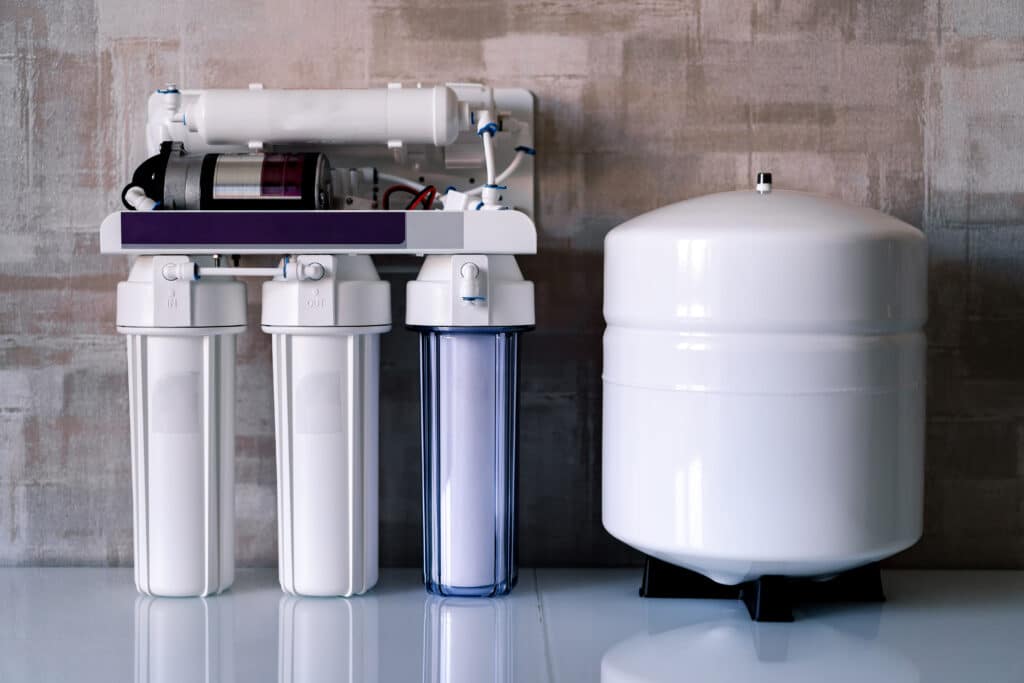
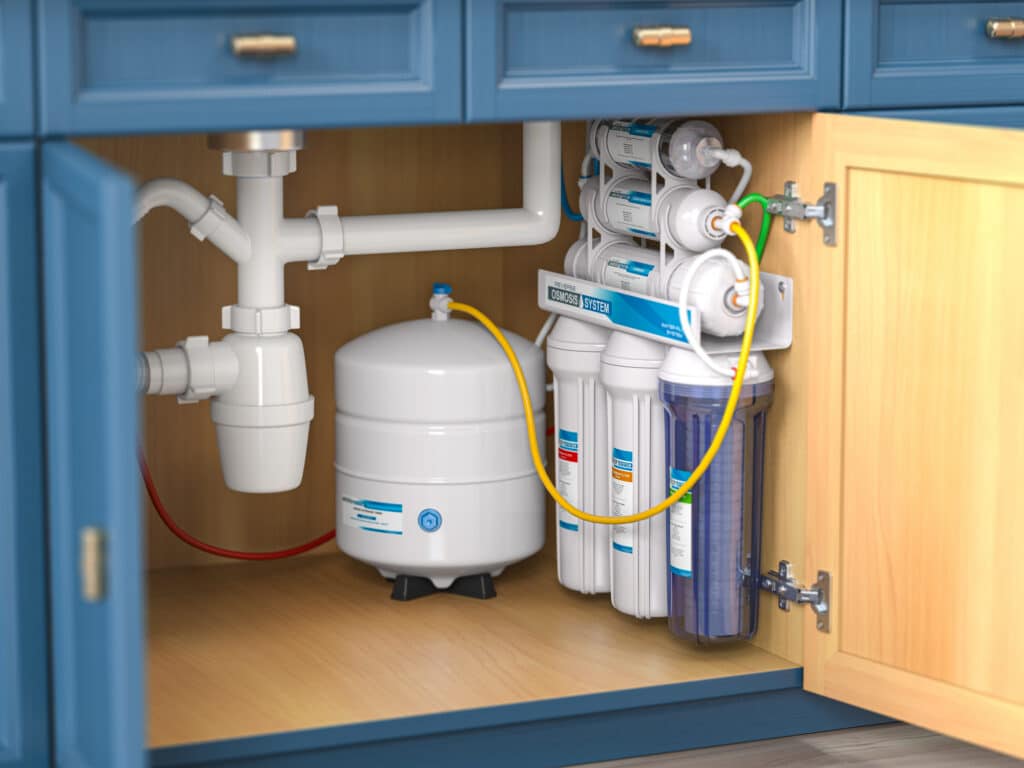
1. Reverse Osmosis (RO) Systems
Reverse osmosis helps adjust pH by removing dissolved solids and minerals that influence acidity and alkalinity.
- Commercial RO systems are ideal for restaurants, medical facilities, and industrial buildings needing consistently treated water.
- Household RO units work similarly but on a smaller scale.
RO water often becomes slightly more acidic because minerals are removed, which can help balance overly alkaline water.
2. Water Softener System
Water softeners don’t directly change the pH of water, but they modify the mineral content, often bringing water closer to a neutral balance.
- In commercial settings, softeners help protect plumbing, boilers, and equipment from scale buildup.
- In homes, they improve water quality and appliance longevity.
Softened water tends to sit near neutral pH, which can help stabilize water that may have been slightly acidic.
3. pH Adjustment Chemicals
For situations where precise control is needed, chemicals can be added to either raise or lower pH:
- To raise pH: calcium carbonate, soda ash, or similar alkaline solutions.
- To lower pH: food-grade acids or CO₂ injection (common in breweries and industrial processes).
These methods are widely used in commercial applications, but smaller-scale versions are also available for household well systems or aquariums.
4. Carbon Filtration
Activated carbon filters can subtly influence pH by removing contaminants that cause acidity or alkalinity, thereby balancing the pH level.
- Large carbon tanks are standard in commercial applications.
- Household carbon filters (such as whole-home units or under-sink systems) help improve taste and stabilize pH.
While not a strong pH adjuster on its own, carbon filtration is often used in conjunction with other systems for more comprehensive water treatment.
Know the pH of Your Water to Protect Your Water Quality & Systems.
Understanding the pH of water is more than just a science lesson—it’s a key part of protecting your plumbing, maintaining water quality, and ensuring the long-term health of your commercial systems. Whether your water is too acidic, causing corrosion, or too alkaline, tasting bitter and causing skin issues, monitoring pH and using the right treatment systems can make all the difference. Tools such as reverse osmosis units, water softeners, carbon filtration, and pH adjustment methods help businesses maintain safe, clean, and reliable water every day.
If your commercial building needs expert support, Step Saver is here to help. We provide professional installation, repair, and ongoing maintenance for commercial reverse osmosis systems and water softeners. With the right equipment and a trusted service team, you can maintain a balanced water system, keeping your operations running smoothly. Contact us for expertise and pure water solutions.