
Whether you’re a business owner managing a team or a homeowner looking after your family, water quality plays a critical role in health, comfort, and long-term maintenance. But for businesses, the stakes can be even higher. From protecting valuable equipment to ensuring customer safety and satisfaction, understanding what’s in your water and how to test it can directly impact your bottom line.
In this blog, we’ll walk through the key signs, testing options, and solutions for maintaining clean, high-quality water in a commercial setting. Keep reading to learn how to conduct water quality testing year-round!
Why is Water Quality Testing Important?
Poor water quality can silently erode your business from the inside out. Hard water, for example, leads to scale buildup in pipes and machinery, reducing energy efficiency and shortening the lifespan of expensive appliances. Unfortunately, hard water is extremely common, especially in Utah, California, New Mexico, Indiana, Nevada, and Texas.
Contaminants like chlorine, lead, or bacteria can damage your reputation or cause serious health concerns for both employees and customers. Poor-quality water can also violate the Occupational Safety and Health Administration (OSHA) requirements, leading to fines, legal action, or even temporary business shutdowns. Ensuring your water is tested for quality is essential to protecting the well-being of your team, maintaining trust with customers, and demonstrating your commitment to a safe and healthy environment.
For restaurants, salons, gyms, medical offices, and manufacturers, testing water quality consistently isn’t optional—it’s essential for meeting health standards, enhancing customer experience, and preventing costly equipment repairs or replacements.
6 Signs Your Water Might Be Problematic
It’s not always clear when you should test your water quality. Fortunately, while some water issues are invisible, many leave clear clues that something’s off. Watch out for these 6 signs when determining if your water needs to be tested:
- Mineral buildup on faucets, showerheads, and equipment
- Soap that doesn’t lather properly or leaves residue
- Rust-colored stains in sinks or toilets
- Cloudy or discolored water
- Odd tastes or odors, including metallic, bitter, or chlorine-heavy water
- Dry skin or irritated eyes among staff or customers
If any of these signs appear in your facility, it’s worth investigating further.
Water Quality 101: What to Test For
Knowing what could be wrong with your water when testing for quality is essential. Businesses across different industries often encounter several key water quality challenges:
- Hard Water: High levels of calcium and magnesium that cause scaling and reduce the effectiveness of soap and detergents.
- Chlorine or Chloramine: Used to disinfect municipal water, but can affect taste and damage sensitive equipment.
- Low or High pH: Acidic or basic water can corrode pipes and fixtures over time.
- Heavy Metals (Lead, Copper): Especially a concern in older buildings with outdated plumbing.
- Bacteria and Microbes: Can contaminate water supplies and lead to health code violations.
- Total Dissolved Solids (TDS): A general measure of water purity. High TDS can affect flavor and appliance performance.
Water quality testing allows you to identify which issues are impacting your water and take action before they impact your business operations.
Testing Water Quality: 3 Options
1. Use At-Home or On-Site Testing Kits
If you want to know how to test water hardness levels in your area, kits are an easy, affordable way to start. These kits provide a quick way to get preliminary data on your water. They often include test strips or digital meters to measure hardness, pH, chlorine levels, and more.
To use test strips, simply dip them in running water for a few seconds, then compare the resulting color change to the chart provided on the packaging. Digital meters, on the other hand, give an instant numeric readout of total dissolved solids (TDS), which can help estimate hardness and other water quality factors.
These tests typically provide a general hardness level, measured in either grains per gallon (GPG) or parts per million (ppm). When interpreting your results, here’s a basic guide to what the numbers mean:
- Soft Water: 0–3 GPG
- Moderately Hard: 4–7 GPG
- Hard: 7–10 GPG
- Very Hard: 10+ GPG
2. Hire a Professional Lab
If your business depends on high water quality, whether for compliance, health, or operational performance, partnering with a certified water quality testing lab is one of the most reliable choices. Here’s how it works in 4 simple steps:
- Sample Collection: You can either collect water samples using a sterile kit provided by the lab or schedule a technician to take on-site samples for more complex systems (e.g., cooling towers or storage tanks).
- Lab Analysis: Once received, the lab performs a battery of tests using advanced instruments (e.g., ICP-MS for metals, GC-MS for VOCs, culture-based or molecular testing for bacteria). These tests can measure:
- Heavy metals like lead, copper, and arsenic
- Microbiological threats such as coliforms, E. coli, or Legionella
- Chemical pollutants, including pesticides, nitrates, or solvents
- Volatile organic compounds (VOCs), which may originate from industrial or cleaning activities
- Regulatory Compliance: Many industries, including food service, healthcare, education, and hospitality, are subject to state or federal water quality regulations. A lab provides documentation that can be submitted to authorities or kept for audit records.
- Results & Recommendations: Most labs deliver results within 5–10 business days, often with a detailed breakdown, visual summaries, and treatment suggestions.
This route is especially ideal if your business needs to meet OSHA, EPA, or local health department standards or comprehensive data to design or update a filtration system.
3. Invest in Continuous Monitoring Systems
Larger operations, especially in manufacturing or hospitality, may benefit from innovative real-time monitoring systems that test water quality. These systems use connected sensors and smart technology to track water quality around the clock.
Here’s how a monitoring system works:
- Installed Sensors: Sensors are integrated into key water access points (e.g., main lines, dispensers, boilers) and measure various parameters such as:
- pH levels
- TDS (Total Dissolved Solids)
- Temperature
- Chlorine levels
- Conductivity
- Turbidity
- Data Dashboard: The system sends live data to a cloud-based dashboard that can be monitored remotely. Some systems even offer predictive analytics to anticipate issues before they escalate.
- Instant Alerts: If a contaminant spike, equipment malfunction, or drastic change is detected, you’ll get a real-time alert via text, email, or app, allowing you to take corrective action fast.
- Maintenance Scheduling: These systems can also be tied to your maintenance schedule, tracking filter performance and flagging when servicing is due.
While this solution involves an upfront investment for testing water quality, it reduces risk, minimizes downtime, and often pays for itself by preventing damage, liability, or regulatory violations.
What to Do If You Have Hard or Contaminated Water
Once you’ve tested your water and identified the issue, whether it’s hard water or low pH levels, the next step is implementing a solution that fits your needs:
- For Hard Water: Learning how to test for and detect hard water is one step. The next is to install a commercial water softener to reduce calcium and magnesium levels. To make it easy, hire a professional commercial water softener installation and repair team like Step Saver to do the job for you. Water softeners prevent scale buildup in pipes and appliances, improve soap efficiency, and help extend the life of expensive equipment like dishwashers, boilers, or laundry machines. Some systems also include automatic regeneration to keep maintenance simple for staff.
- For Removing Chemicals, Metals, and Bacteria: Use a reverse osmosis system, UV purification, or carbon filtration, depending on your test results:
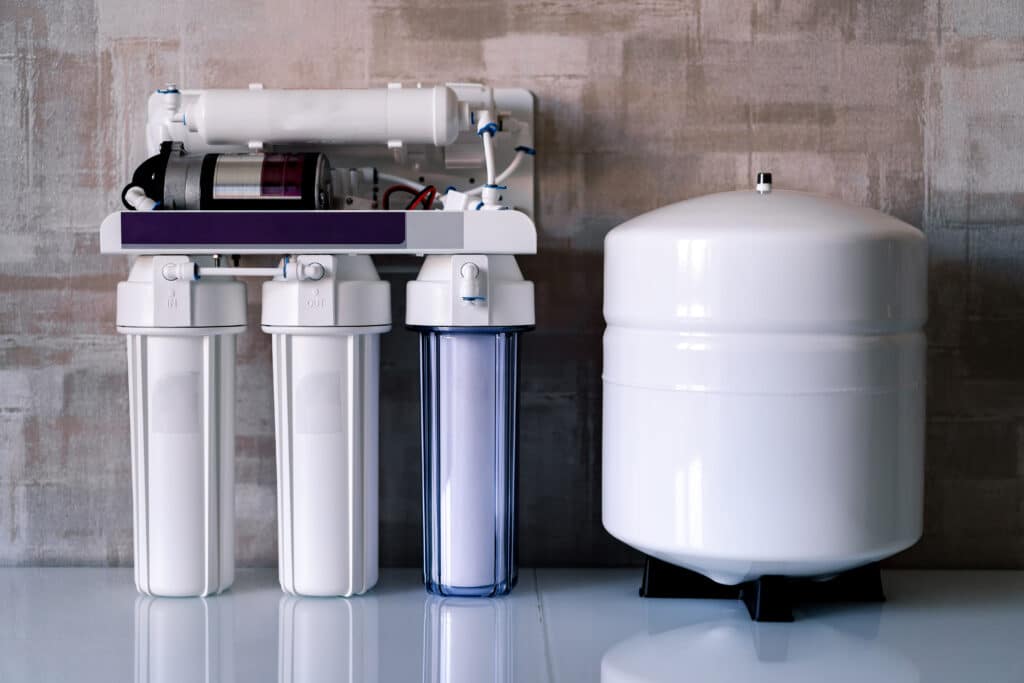
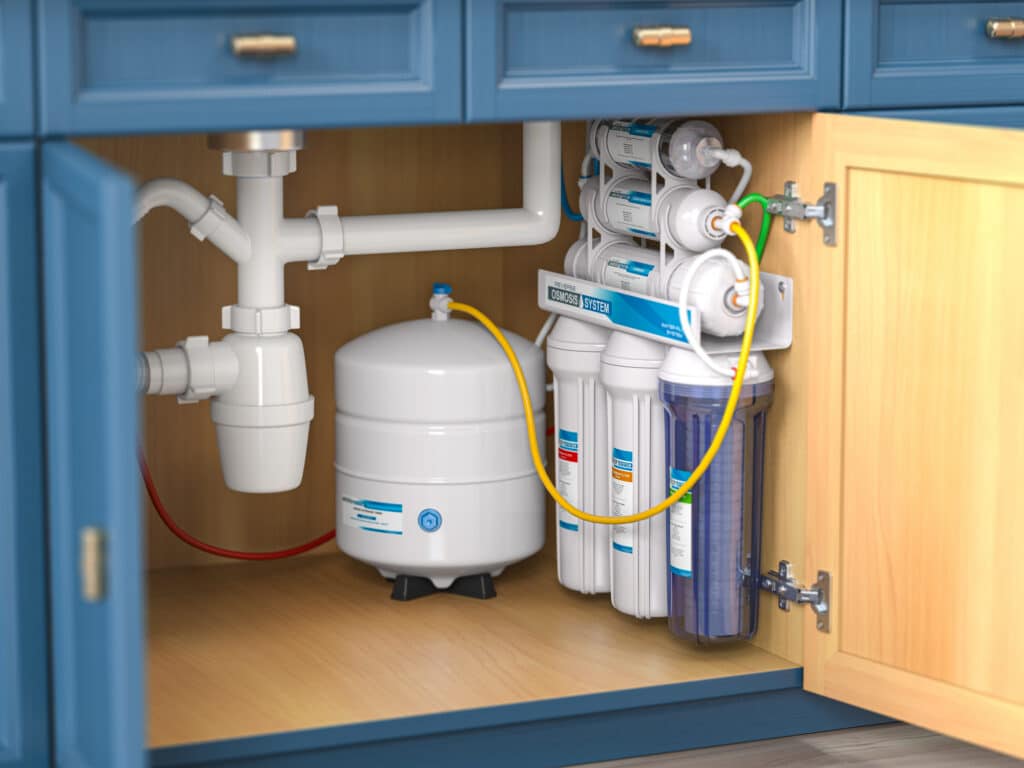
- Reverse Osmosis (RO) systems are highly effective at removing dissolved solids, lead, nitrates, fluoride, and some bacteria. They’re ideal for businesses that rely on ultra-pure water, such as coffee shops, salons, and labs.
- Activated Carbon Filters remove chlorine, VOCs, bad tastes, and odors. These are great for restaurants, hotels, or offices where customer experience is a top priority.
- UV Disinfection Systems neutralize bacteria, viruses, and other pathogens without chemicals—perfect for medical clinics, daycares, or facilities that need microbiological protection.
For Acidic or Corrosive Water (Low pH): Install a neutralizing filter that uses calcite or magnesium oxide to bring the pH level closer to neutral (7.0). This helps protect plumbing, reduce metal leaching, and minimize corrosion.
Testing Water Quality Is Essential for Businesses
Water quality may not be the first thing you think about when running a business, but it’s often one of the most impactful. Poor water can quietly damage your infrastructure, harm your reputation, and even violate regulatory standards. You can protect your brand, your people, and your future by testing your water and acting on the results, such as hiring a commercial water softener installer or using a reverse osmosis system.
Whether running a small café, managing a large facility, or overseeing multiple office locations, clean water is an investment that pays off.