Choosing the right water softener for your business is one of the most important decisions you can make to protect equipment, reduce maintenance costs, and ensure consistent water quality. A system that is too small may struggle to keep up with demand, leading to hard water breakthroughs and reduced efficiency. On the other hand, an oversized system can result in unnecessary upfront costs and inefficient operation.
That’s why understanding how to size a commercial water softener is critical. Proper sizing ensures your system delivers soft water while maximizing performance and minimizing long-term operating expenses.
In this guide, we’ll walk through the key factors that influence sizing, explain common calculations, and discuss why working with a water treatment professional is often the best way to ensure accuracy.
Why Proper Sizing Matters
Commercial water softeners do more than improve water quality. They help protect boilers, water heaters, cooling systems, dishwashers, ice machines, laundry equipment, and plumbing infrastructure from scale buildup caused by calcium and magnesium. When a system is improperly sized, several problems can occur. An undersized unit may regenerate too frequently, increasing salt and water consumption while still allowing hardness minerals to enter your system. An oversized unit may cost more than necessary and operate inefficiently because regeneration cycles occur less frequently than intended. Proper sizing balances performance, efficiency, and cost, allowing the system to provide continuous soft water without unnecessary waste.
Understanding Water Hardness
Before you can determine how to size a commercial water softener, you need to know the hardness level of your incoming water. Water hardness is typically measured in grains per gallon (GPG) or parts per million (PPM). The higher the hardness level, the more minerals your softener must remove before regeneration becomes necessary.
For example, a business receiving water with a hardness level of 20 GPG will require more softening capacity than a facility using water with a level of 8 GPG, even if both consume the same amount of water. This is why water testing is one of the first steps in the sizing process. Without accurate hardness data, any sizing calculation is simply an estimate.
Determine Daily Water Usage
The next step is understanding how much water your facility uses on an average day. Commercial water demand varies significantly across industries. Restaurants may use large amounts of water for dishwashing and food preparation. Hotels consume water through guest rooms, laundry operations, kitchens, and common areas. Manufacturing facilities may rely on water throughout production processes. Daily water consumption is typically measured in gallons per day. Reviewing utility bills or conducting a water usage analysis can help establish an accurate baseline. Knowing both water hardness and daily water consumption provides the foundation for sizing calculations.
Calculating Daily Grain Removal Requirements
A common method for determining softener capacity involves calculating the total hardness grains that must be removed each day.
The formula is: Daily water usage x Water hardness = Daily grain removal requirement
For example, if a facility uses 10,000 gallons of water per day and has a hardness level of 15 grains per gallon, the system would need to remove approximately 150,000 grains of hardness daily. This calculation provides a starting point for determining the capacity required from your water softener system.
Using a Commercial Water Softener Sizing Calculator
Many businesses begin the process by using a commercial water softener sizing calculator. These tools can provide a general estimate based on water hardness, daily usage, and flow rate requirements. While a commercial water softener sizing calculator can be a useful starting point, it’s important to remember that these calculators cannot account for every variable. Factors such as regeneration frequency, future business growth, equipment sensitivity, seasonal demand changes, and variations in water quality can all influence the final recommendation. For this reason, many businesses use calculators as a starting point before consulting a water treatment professional for a more detailed assessment.
The Importance of Professional Evaluation
While online calculators and general formulas provide useful information, they cannot replace a comprehensive evaluation performed by a water treatment expert. Professional assessments typically include water testing, flow rate measurements, equipment evaluations, future growth considerations, and site-specific requirements. This detailed analysis helps ensure the system is neither undersized nor oversized. An experienced provider can also identify opportunities to improve efficiency, reduce operating costs, and maximize equipment lifespan through proper system selection.
Why Peak Demand Matters
Many businesses make the mistake of focusing only on average daily usage. However, peak demand periods are often just as important. Hotels may experience higher water usage in the mornings when guests shower. Restaurants often see spikes during meal service hours. Manufacturing operations may have production periods that dramatically increase water consumption.
A properly sized commercial water softener must be able to handle these demand surges without sacrificing water quality. This is why professional sizing calculations often consider both average and peak flow rates when designing a system.
Single-Tank vs. Twin-Tank Systems
Sizing isn’t just about capacity; it also involves selecting the appropriate system configuration. Single-tank systems are often suitable for applications where brief regeneration downtime can be tolerated. During regeneration, however, untreated water may bypass the system unless additional measures are in place.
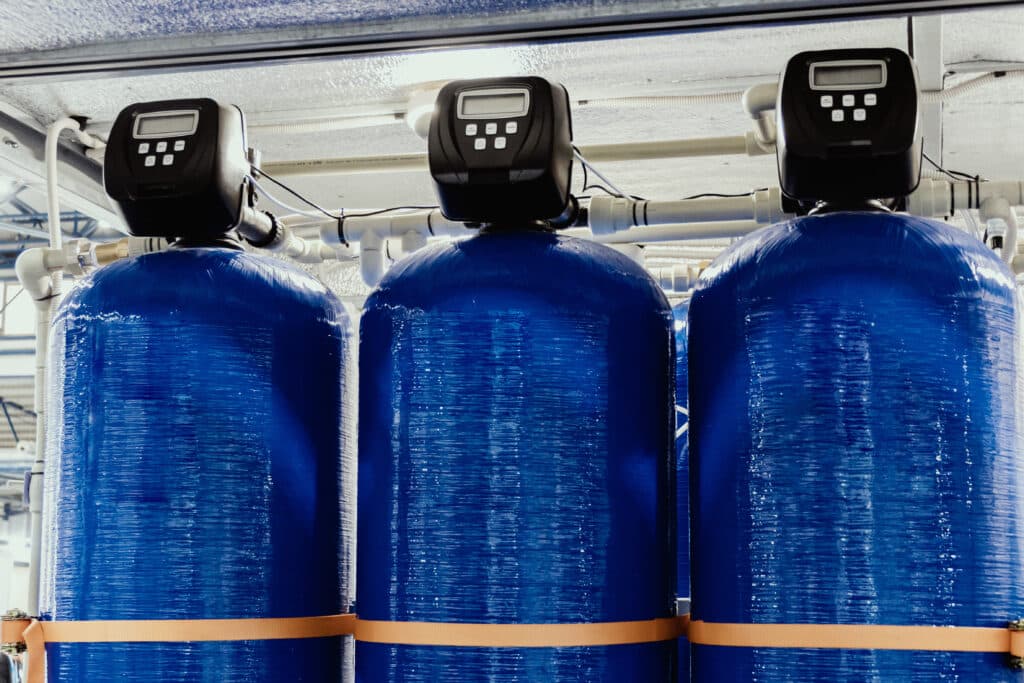
Twin-tank systems provide continuous soft water by keeping one tank online while the other regenerates. This design is particularly valuable for businesses that cannot afford interruptions in water quality. The choice between these configurations can influence the overall sizing strategy and should be considered during system design.
Planning for Future Growth
One of the biggest mistakes businesses make is sizing a water softener based solely on current usage. If your facility expects to expand operations, increase production, add equipment, or accommodate more customers in the coming years, those changes should be factored into the sizing process.
Installing a system that can accommodate moderate growth may help avoid costly upgrades or replacements later. While it’s important not to oversize unnecessarily, planning ahead can save both time and money in the long run.
Industry-Specific Considerations
Different industries have different water-quality requirements. Healthcare facilities often require highly reliable water treatment systems to support patient care and sanitation. Restaurants depend on soft water to improve dishwashing performance and reduce scale buildup in equipment. Hotels rely on water quality to enhance guest comfort while protecting plumbing and laundry systems. Manufacturing facilities may have strict process requirements that demand consistent water quality throughout production. Because each industry faces unique challenges, sizing requirements often vary significantly even when overall water usage appears similar.
Common Signs Your Existing System Is Undersized
If your current water softener is struggling, it may be a sign that the system was not sized correctly. Frequent regeneration cycles, recurring scale buildup, increased salt usage, inconsistent water quality, and reduced equipment performance are all potential indicators of an undersized system. Addressing these issues promptly can help prevent costly equipment damage and operational inefficiencies.
Commercial Water Softener Installation and Repair
Once you’ve determined the correct system size, proper installation and ongoing maintenance are just as important as the sizing itself. Professional commercial water softener installation and repair help ensure your system operates efficiently, delivers consistent soft water, and provides long-term protection for your equipment and plumbing infrastructure. Working with experienced professionals can help maximize performance while minimizing downtime, maintenance costs, and unexpected system failures.
Partner with Step Saver for Expert Water Softener Solutions
Choosing the right water softener doesn’t have to be complicated. At Step Saver, we have been helping businesses throughout California, Nevada, and Utah optimize their water treatment systems for more than 25 years.
Our team understands that every facility has unique water quality challenges, usage demands, and operational goals. That’s why we take a customized approach to system sizing, installation, and maintenance to ensure you receive the right solution for your specific needs.
Whether you’re evaluating a new system, replacing outdated equipment, or simply trying to understand how to size a commercial water softener, our experts can help guide you through the process. Contact Step Saver today to learn more about commercial water softener solutions designed to improve your efficiency, protect equipment, and deliver reliable soft water for years to come.