
Water is essential to every business, whether to keep kitchens running, laundry fresh, or plumbing systems reliable. But not all water is created equal. Hard water may initially seem harmless, but it can cause costly problems behind the scenes.
From driving up energy bills to wearing down equipment faster, hard water can quietly eat into your profits and efficiency. If your business depends on clean, reliable water, whether in a restaurant, hotel, healthcare facility, or office, knowing what hard water is and the damage it can cause is essential to safeguarding operations and controlling costs. Keep reading to learn more about hard water and why it should matter to you!
What is Hard Water?
Hard water is any water with high levels of dissolved minerals, specifically calcium and magnesium. As water flows through varying environments, it comes into contact with many rock and soil types. Along the way to your tap, it will pick up naturally occurring minerals, such as magnesium and calcium. The higher the mineral content, the harder the water is. The term “hardness” originally referred to water that was difficult to wash with. For example, the water was considered harder if soap struggled to create a lather.
How to Know If You Have Hard Water
Hard water is found throughout the United States, with some states, such as Utah, Arizona, Texas, California, Nevada, and Florida, known for their hard water. If you’re unsure whether you have hard water or not, here are a few signs you do:
- White, chalky residue on sinks, tubs, dishes, or other appliances
- Stiff or faded laundry
- Lower water pressure from clogged pipes
- Poor lathering of soaps and detergents
- Frequent repairs and replacements of plumbing and water-using appliances
- Customer or staff complaints about water quality/cleanliness
If you notice these signs or want to double-check for hard water, read our article on water quality testing to learn more.
Hard vs. Soft Water
The main difference between hard and soft water is the level of minerals: hard water contains high levels of dissolved minerals (calcium and magnesium), while soft water contains little to no minerals. Soft water often has minerals removed through a water softening process, and it’s easier to lather, which helps soap and detergents clean more efficiently.
Here are a few signs of soft water:
- Soap lathers easily with thick foam
- May have a slight salty taste, especially if softened with sodium
- Higher water pressure
- Cleaner clothing and dishes
Does Hard Water Matter?
While drinking hard water isn’t necessarily a safety concern, it can taste bitter, chalky, or metallic. However, it’s not only about how it tastes. The bigger problem is how hard water can cause significant disruptions to your budget and water-using appliances long-term.
Here’s the cost of hard water for businesses:
- Plumbing Damage: Mineral buildup narrows pipes and clogs fixtures, leading to costly repairs and downtime. For a business, unexpected plumbing issues don’t just mean repair bills—they can also interrupt operations.
- Increased Energy Bills: According to the American Society of Plumbing Engineers, only 1/16″ of limescale on a boiler surface increases energy consumption by 11%. That added strain drives your utility bills higher every single month.
- Shorter Equipment Lifespan: From dishwashers in restaurants to boilers in hotels, hard water shortens the lifespan of essential equipment. Replacing these assets sooner than expected cuts capital budgets and adds unplanned expenses.
- Decreased Efficiency: Hard water reduces the overall performance of water-dependent systems. Whether it’s slower hot water delivery or reduced cleaning effectiveness, efficiency losses chip away at productivity and service quality.
- Poor Customer & Employee Experience: Hard water leaves behind mineral spots on glassware, dulls laundry, and can even cause dry skin and hair. For employees, that may mean less comfort at work; for customers, it can translate to a negative impression of your business.
So, does hard water vs. soft water really matter? If you want to run an efficient, cost-effective business that leaves a positive impression on customers and employees, the answer is yes. Fortunately, there are several methods to achieve soft water.
How to Get Soft Water: 4 Strategies
If hard water is hurting your business, the good news is that there are solutions. Softening your water protects your equipment, saves money, improves efficiency, and creates a better experience for employees and customers. Here are 4 effective ways to get soft water:
1. Install a Commercial Water Softener
This is the most common and effective solution for businesses. A commercial water softener uses ion exchange to remove calcium and magnesium, the minerals that cause hardness. Consistent soft water reduces scale buildup, improves equipment lifespan, and lowers energy costs.
Installing a commercial water softener isn’t easy. If you need help with commercial water softener installation and repair services in Utah, Nevada, or California, trust Step Saver’s team. We provide comprehensive commercial soft water solutions to keep your systems running optimally and ensure you can access soft water year-round. Get in touch with us to experience the benefits of soft water for your business.
2. Use Reverse Osmosis (RO) Systems
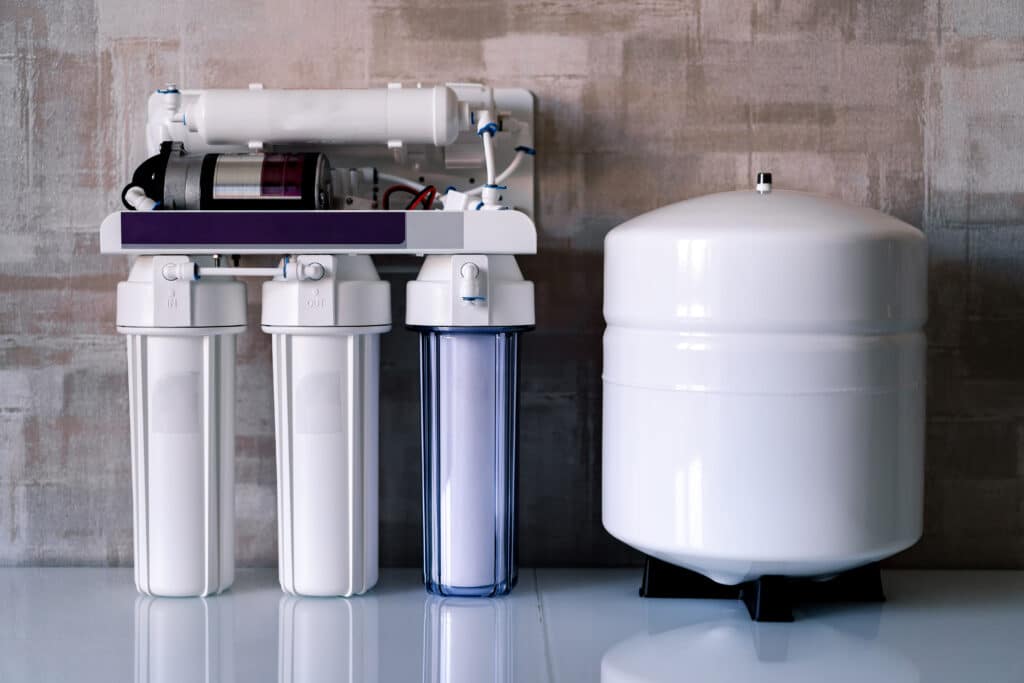
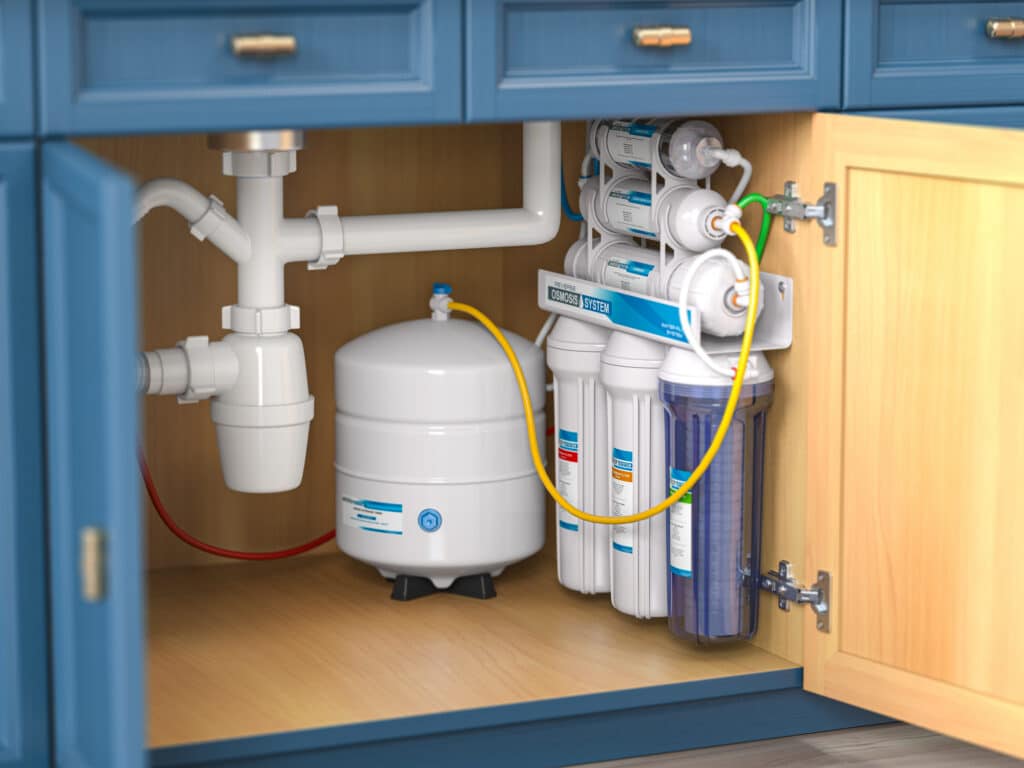
RO systems filter water through a semipermeable membrane, removing minerals, salts, and impurities. They’re often used in restaurants, hotels, and healthcare facilities where pure, clean water is essential for taste, safety, and performance.
3. Chemical Treatment
Some businesses use chemical additives to treat hard water, particularly in industrial or boiler systems. While this method is less common in small-to-medium enterprises, it can help prevent scaling in specialized applications.
4. Regular Maintenance and Descaling
Even with treatment systems in place, scheduling routine maintenance, such as descaling pipes, boilers, or dishwashers, helps extend equipment life and maintain efficiency.
Hard vs. Soft Water: Choose What’s Best For Your Business
As stated previously, the difference between hard and soft water comes down to minerals. Hard water is loaded with calcium and magnesium, which cause limescale buildup, damage plumbing, shorten equipment lifespan, and drive up utility bills. On the other hand, soft water removes those minerals, making it easier to clean, gentler on equipment, and more efficient for daily operations.
For businesses, this isn’t just a matter of water quality—it’s a matter of cost, efficiency, and reputation. Customers notice sparkling glasses, fresh laundry, and comfortable facilities. Employees benefit from reliable equipment and a smoother work environment. And your bottom line improves when you’re not constantly paying for repairs, replacements, or inflated energy bills.
Ultimately, choosing soft water means running a more innovative, cost-effective business. Whether through a water softener, reverse osmosis, or other treatment methods, investing in the right system protects your operations today and pays dividends for years.